
Urology and Kidney Transplantation Center
What we do
New Outpatient Consultation Location:
For the convenience of our patients, we have opened a dedicated Kidney Transplant Consultation Clinic at Kameda Makuhari Clinic (Department of Nephrology).
Visit Kameda Makuhari Clinic - Transplant Consultation
------------------------------------------------------------------------------------------------------------------------------
Understanding End-Stage Renal Disease (ESRD) & Replacement Therapies
The kidneys filter blood to remove waste products and excess fluid, regulate electrolyte balance (Na+, K+, acid-base balance), produce blood pressure-regulating hormones, stimulate red blood cell production, and activate Vitamin D for bone health. When kidney function drops permanently, a patient enters End-Stage Renal Disease (ESRD), leading to uremia and life-threatening complications. To survive, patients require Renal Replacement Therapy (RRT):
Kidney Transplantation: As the only curative treatment for ESRD, successful transplantation restores kidney function, liberates patients from dialysis, and improves quality of life (QoL). It also enables normal growth in children and allows women to pursue pregnancy and childbirth. Preemptive Kidney Transplantation (transplantation prior to starting dialysis) is also actively performed to optimize long-term patient survival.
------------------------------------------------------------------------------------------------------------------------------
Living Donor Kidney Transplantation Criteria
Our center performs Living Donor Kidney Transplantation. Candidates must meet the following criteria:
1. Donor Criteria
Health Status: Mentally and physically healthy adult, voluntarily donating out of goodwill without coercion or commercial gain
Age Limit: Generally between 20 and 70 years old (candidates up to age 80 may be considered based on physical age).
2. Recipient Criteria
Free of active malignancies, uncontrolled infections, active GI bleeding/ulcers, or severe vascular disease
Adequate cardiopulmonary fitness to undergo general anesthesia
Able to adhere to lifelong immunosuppressive therapy
ABO-Incompatible & HLA-Sensitized Transplantation:
Blood-type mismatched (ABO-incompatible) transplants are routinely performed using specialized pre-transplant desensitization regimens
--------------------------------------------------------------------------------------------------------------------------------
Pre-Transplant Evaluation & Timeline
Surgical Procedure & Hospital Stay
Pre-Surgical Preparation: Recipients are admitted 1 week prior to surgery to initiate immunosuppressive medications (and plasma exchange if ABO-incompatible or antibody-positive). Donors are admitted the day before surgery.
Surgical Technique: Donor kidney retrieval is performed via Retroperitoneoscopic Donor Nephrectomy (minimally invasive approach). The kidney is then implanted into the recipient’s iliac fossa.
Post-Operative Recovery:
Donor: Typically discharged within 3 days post-surgery.
--------------------------------------------------------------------------------------------------------------------------------
Post-Transplant Follow-Up & Long-Term Care
Recipient Care: Regular visits at the Kidney Transplant Clinic to monitor graft function, drug levels, infections, and potential side effects.
First 3 months: 1–2 visits/week
3 to 6 months: Once every 2 weeks
After 6 months: Monthly visits
Donor Care: Managed at the Nephrology & Hypertension Outpatient Clinic. Most donors return to full normal activities and exercise within 3 months with no long-term physical impairment. Annual health checkups are emphasized to prevent hypertension, diabetes, or renal strain.
--------------------------------------------------------------------------------------------------------------------------------
Clinical Outcomes & Graft Survival Rates
(Source: Japanese Society for Transplantation 2016 Fact Book)
In Japan, living donor kidney transplants demonstrate excellent long-term outcomes thanks to modern immunosuppressive therapies:
1-Year Graft Survival: 98.7% (Living Donor)
5-Year Graft Survival: 94.6% (Living Donor)
Conditions we handle
Number of cases
Total Inpatient Admissions: 359 patient days (or admissions)
Operation results
2018: 3 cases
2017: 9 cases
List of Doctors
-
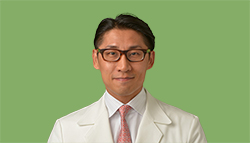 Deputy Chief, Department of Urology; Assistant Chief, Surgical Oncology; Director in charge of surgery, Renal Transplant CenterAtsuhiko OCHISubspeciality
Urological / retroperitoneal tumors (renal cell carcinoma, upper tract urothelial carcinoma, bladder cancer, adrenal tumor), renal failure (renal transplantation)Deputy Chief, Department of Urology; Assistant Chief, Surgical Oncology; Director in charge of surgery, Renal Transplant Center
Atsuhiko OCHI
Subspeciality
Urological / retroperitoneal tumors (renal cell carcinoma, upper tract urothelial carcinoma, bladder cancer, adrenal tumor), renal failure (renal transplantation)Department name Urology and Kidney Transplantation Center Medical School Kanazawa University Special Qualifications M.D., Ph.D.
JUA Board Certified Urologist / Instructor
Certified Urologist in the Endoscopic Surgical Skill Qualification System of the Japanese Urological Association and the Japanese Society of Endourology and Robotics
Board Certified Physician in Endoscopic Surgery of the Japanese Society for Endoscopic Surgery (urologic laparoscopy)
Certified Transplant Physician of the Japan Society for Transplantation
Certified Specialist in Renal Transplantation of the Japanese Society for Clinical Renal Transplantation
Certified Physician of the Japanese Board of Cancer Therapy
Certified Specialist / Instructor of the Japanese Sarcoma Association
Da Vinci console surgeon certificate
Completed the clinical training instructor workshop
Completed the palliative care praining program
Completed the online medical care training program designated by the Ministry of Health, Labour and WelfareEducation & Career Mar 2005: Graduated from School of Medicine, Kanazawa University
Apr 2005: Junior Resident, Postgraduate Education Center, Kameda Medical Center
Apr 2007: Senior Rsident, Department of Urology
Apr 2011: Assistant Chief, Department of Urology
Oct 2016: Assistant Chief, Department of Urology; Staff Physician, Renal Transplant Center
Mar 2017: Assistant Chief, Department of Urology / Renal Transplant Center
Dec 2018: Assistant Chief, Department of Urology; Director in charge of surgery, Renal Transplant Center
Sep 2020: Completed the doctoral course, Graduate School of Medical and Dental Sciences (Department of Clinical Anatomy), Institute of Science Tokyo (formerly Tokyo Medical and Dental University)
Sep 2021: Visiting Professor (laparoscopic urological surgery), Faculty of Medicine, Thammasat University (Thailand)
Apr 2022: Assistant Chief, Department of Urology; Assistant Chief, Surgical Oncology; Director in charge of surgery, Renal Transplant Center
Aug 2023: Deputy Chief, Department of Urology; Assistant Chief, Surgical Oncology; Director in charge of surgery, Renal Transplant Center
Apr 2026: Director, Urology / Chief Physician, Surgical Oncology / Surgical Director, Kidney Transplantation -
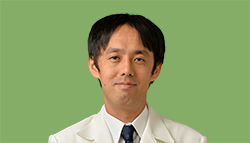 Chief of Nephrology & HypertensionTomo SUZUKISubspeciality
Kidney Diseases In General , Nephritis , Renal PathologyChief of Nephrology & Hypertension
Tomo SUZUKI
Subspeciality
Kidney Diseases In General , Nephritis , Renal PathologyDepartment name Urology and Kidney Transplantation Center Medical School St. Marianna University School of Medicine Special Qualifications Board Certified Specialist of The Japanese Society of Internal Medicine
Board Certified Specialist of Japanese Society of Nephrology
Board Certified Specialist of The Japanese Society for Dialysis Therapy
Board Certified Specialist of Japanese Society for Apheresis
Doctor of Medical Science (PhD)
PKD Certified Physician (Polycystic Kidney Disease Association)
Completed MHLW Designated Online Medical Care TrainingEducation & Career 2006 Mar. Graduated from St. Marianna University School of Medicine
2006 Apr. Junior Resident,The University of Tokyo Hospital
2007 Apr. Junior Resident,ASAMA General Hospital
2008 Apr. Senior Resident of Nephrology & Hypertension, Kameda Medical Center
2011 Apr. allergy,National Hospital Organization Chiba East Hospital
2012 Apr. Term Assistant Professor,St.Marianna University School of Medicine Hospital
2012 Aug. St. Marianna University School of Medicine, Yokohama City Seibu Hospital
2013 Apr. nephrology,Inagi Municipal Hospital
2014 Apr. Renal vascular pathology,University of Tsukuba Faculty of Medicine
2016 Apr. Assistant Professor,St.Marianna University School of Medicine Hospital
2018 Oct. Chief of Nephrology & Hypertension,Kameda Medical Center
Nephrology & Hypertension,St.Marianna University School of Medicine Hospital (part-time) -
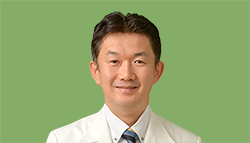 Director, Sarcoma Surgery / Surgical Director, Kidney TransplantationJun YASHIMASubspeciality
Abdominal cavity
Retroperitoneal sarcomaDirector, Sarcoma Surgery / Surgical Director, Kidney Transplantation
Jun YASHIMA
Subspeciality
Abdominal cavity
Retroperitoneal sarcomaDepartment name Urology and Kidney Transplantation Center Medical School Yokohama City University School of Medicine Special Qualifications Board Certified Specialist and Advanced Certified Speialist of Japan Surgical Society
Board Certified Specialist and Advanced Certified Speialist of Japan Sarcoma Association
Board Certified Physician of The Japan Society for Transplantation
Board Certified Physician of Japanese Society for Clinical Renal Transplantation
Board Certified Specialist and Advanced Certified Speialist of The Japanese Society for Dialysis Therapy
Completed Palliative Care Training for Cancer PhysiciansEducation & Career 1998 Mar. Graduated from Yokohama City University School of Medicine
1998 Jun. Kidney Center, Tokyo Women’s Medical University
2003 Jun. Hachinohe 99 clinic
2005 Mar. Kidney Center, Tokyo Women’s Medical University
2008 Apr. Assistant Professor,Transplant surgery, International University of Health and Welfare Atami Hospital
2010 Jul. Lecturer,Transplant surgery, International University of Health and Welfare Atami Hospital
2014 Apr. Associate Professor,Transplant surgery, International University of Health and Welfare Atami Hospital
2019 Apr. Professor,Transplant surgery, International University of Health and Welfare Atami Hospital
2020 Apr. Vice Chief of Surgical Oncology, Kameda Medical Center
2021 Jun. Acting Director, Surgical Oncology / Acting Director, Sarcoma Surgery / Surgical Director, Kidney Transplantation -
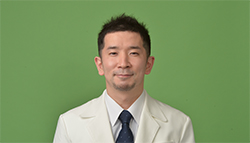 Assistant Chief, Department of Urology; Renal Transplant Center (in charge of surgery)Minoru NAKAZONOSubspeciality
Urological malignancyAssistant Chief, Department of Urology; Renal Transplant Center (in charge of surgery)
Minoru NAKAZONO
Subspeciality
Urological malignancyDepartment name Urology and Kidney Transplantation Center Medical School Kobe University Education & Career Mar 2014: Graduated from Kobe University School of Medicine
Apr 2014: Junior Resident, Tokyo Saiseikai Central Hospital
Apr 2016: Department of Urology, Jikei University School of Medicine
Oct 2016: Jikei University Kashiwa Hospital
Oct 2017: Jikei University Hospital
Apr 2018: Kosei Hospital
Apr 2019: Jikei University Katsushika Medical Center
Apr 2019: Jikei University Katsushika Medical Center
July 2020: Kameda Medical Center
July 2022: Jikei University Hospital
Jan 2023: Kosei Hospital
Apr 2024: Joined Kameda Medical Center as Assistant Chief, Department of Urology / Renal Transplant Center (in charge of surgery) -
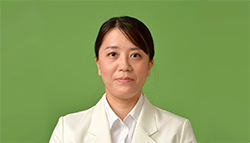 Chief Physician, Nephrology & Hypertension / Internal Medicine Lead, Kidney Transplantation DivisionMari IKEDASubspeciality
Nephrology & HypertensionChief Physician, Nephrology & Hypertension / Internal Medicine Lead, Kidney Transplantation Division
Mari IKEDA
Subspeciality
Nephrology & HypertensionDepartment name Urology and Kidney Transplantation Center Medical School Tokyo Women’s Medical University Special Qualifications Certified Internal Medicine Physician (Japan)
Nephrology Specialist (Japan)
Dialysis Specialist (Japan)
PKD Certified Physician
Board-certified Anesthesiology PractitionerEducation & Career Mar 2010 – Graduated from Tokyo Women’s Medical University School of Medicine
Apr 2010 – Initial Clinical Residency, Tokyo Women’s Medical University Yachiyo Medical Center
Apr 2012 – Advanced Residency, General Medicine, Tokyo Bay Urayasu-Ichikawa Medical Center
Apr 2014 – Advanced Residency, General Medicine, Nerima Hikarigaoka Hospital
Apr 2015 – Instructor, Anesthesiology, Yokohama City University School of Medicine
Jun 2015 – Anesthesiology, Yokohama City University Medical Center (rotation)
Oct 2015 – Instructor, Anesthesiology, Yokohama City University School of Medicine
Dec 2016 – Anesthesiology, Kanagawa Cardiovascular and Respiratory Center (rotation)
Apr 2017 – Intensive Care Unit, Yokohama Rosai Hospital (rotation)
Apr 2018 – Assistant Professor, Nephrology & Hypertension, St. Marianna University
Apr 2023 – Staff Physician, Nephrology & Hypertension / Kidney Transplantation Division
Oct 2024 – Chief Physician, Nephrology & Hypertension / Internal Medicine Lead, Kidney Transplantation -
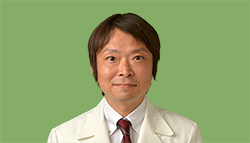 Part-time PhysicianMasatoshi MATSUNAMISubspeciality
Kidney Transplantation, Hemodialysis, Peritoneal Dialysis, Vascular AccessPart-time Physician
Masatoshi MATSUNAMI
Subspeciality
Kidney Transplantation, Hemodialysis, Peritoneal Dialysis, Vascular AccessDepartment name Urology and Kidney Transplantation Center Medical School Kanazawa Medical University Special Qualifications Doctor of Medicine (Ph.D.)
Master of Business Administration (MBA)
Board-Certified Surgeon and Instructor, Japan Surgical Society
Board-Certified Nephrologist and Instructor, Japanese Society of Nephrology
Board-Certified Dialysis Specialist and Instructor, Japanese Society for Dialysis Therapy
Certified Endovascular VA Specialist, Japanese Society for Dialysis Therapy
Certified Physician, Japanese Society for Peritoneal Dialysis
Certified Transplant Physician, Japan Society for Transplantation
Certified Kidney Transplant Physician, Japanese Society of Clinical Renal Transplantation
Certified Endovascular VA Specialist, Japanese Society for Dialysis Access
Certified VAIVT Specialist, Japanese Society for Dialysis Vascular Access Intervention Therapy
Certified VAIVT Endovascular Physician, Japanese Society for Dialysis Vascular Access Intervention TherapyEducation & Career March 2009 – Graduated from the Faculty of Medicine, Kanazawa Medical University
April 2009 – Junior Resident, Postgraduate Clinical Training Center, our hospital
April 2011 – Senior Resident, Department of Surgery
April 2013 – Senior Resident, Department of Gastrointestinal Surgery
April 2014 – Fellow, Transplant Surgery, National Center for Child Health and Development
November 2015 – Research Fellow, Transplant Surgery, Massachusetts General Hospital, Harvard Medical School, USA
May 2017 – Staff Surgeon, Kidney Center Surgery, Toranomon Hospital
March 2019 – Completed Graduate School of Medicine, Kanazawa Medical University
January 2020 – Part-time Contract Physician, Department of Nephrology, Toranomon Hospital Branch
March 2021 – Completed Graduate School of Business Administration, Keio University
April 2021 – Department of Nephrology and Hypertension / Concurrent Appointment, Kidney Transplant Surgery, our hospital
July 2021 – Chief Physician, Department of Nephrology and Hypertension / Concurrent Appointment, Kidney Transplant Surgery, our hospital
October 2022 – Doctoral Research Fellow, Department of Clinical Epidemiology, Fukushima Medical University Graduate School of Medicine
April 2023 – Deputy Director, Department of Nephrology and Hypertension / Concurrent Appointment, Kidney Transplant Surgery, our hospital
April 2026 – Part-time Physician, Department of Nephrology and Hypertension / Kidney Transplant Surgery, our hospital
- Orthopedics
- Sports Medicine Center
- Gastroenterological Surgery
- Plastic Surgery
- Neurosurgery
- Neuroendovascular Surgery
- Spine Surgery
- General Thoracic Surgery
- Cardiovascular
- Breast Center
- Obstetrics
- Gynecology
- Department of Reproductive Medicine (ART Center)
- Urology
- Urogynecology Center
- Dermatology
- Ophthalmology
- Head and Neck Surgery
- Otorhinolaryngology (ENT)
- Urology and Kidney Transplantation Center
- Lymphedema Surgery
- Surgical Oncology

