
Oriental Medicine
What we do
Department of Oriental Medicine (Kampo Medicine)
~ Medicine that Empowers Your Body’s Natural Capacity to Heal ~
All living beings possess homeostasis—an innate ability to maintain internal balance and recover from illness or injury. While modern Western medicine is indispensable for acute care and surgeries, standard medical treatments achieve their maximum efficacy when a patient’s inner vitality and natural healing capabilities are strong.
Oriental Medicine (Kampo) views the human mind and body as an integrated whole. By identifying subtle systemic imbalances and restoring your optimal internal state, our care aims to maximize your natural self-healing power.
Whether combined with Western treatments or utilized for chronic, unexplained discomforts, we collaborate seamlessly with other medical departments to enhance your overall Quality of Life (QOL).
Key Clinical Focus & Unique Strengths
~ Medicine that Empowers Your Body’s Natural Capacity to Heal ~
All living beings possess homeostasis—an innate ability to maintain internal balance and recover from illness or injury. While modern Western medicine is indispensable for acute care and surgeries, standard medical treatments achieve their maximum efficacy when a patient’s inner vitality and natural healing capabilities are strong.
Oriental Medicine (Kampo) views the human mind and body as an integrated whole. By identifying subtle systemic imbalances and restoring your optimal internal state, our care aims to maximize your natural self-healing power.
Whether combined with Western treatments or utilized for chronic, unexplained discomforts, we collaborate seamlessly with other medical departments to enhance your overall Quality of Life (QOL).
Key Clinical Focus & Unique Strengths
Holistic Mind-Body Evaluation: Treating the person as a whole, rather than focusing solely on isolated organs or diseased parts.
Synergistic Integrative Care: Working alongside Western medical therapies to optimize treatment outcomes, reduce side effects, and accelerate recovery.
Addressing Functional & Unexplained Symptoms: Effectively relieving persistent discomforts where standard laboratory tests show no structural abnormalities (e.g., sensitivity to cold, fatigue, autonomic dysfunction).
Synergistic Integrative Care: Working alongside Western medical therapies to optimize treatment outcomes, reduce side effects, and accelerate recovery.
Addressing Functional & Unexplained Symptoms: Effectively relieving persistent discomforts where standard laboratory tests show no structural abnormalities (e.g., sensitivity to cold, fatigue, autonomic dysfunction).
Conditions we handle
While acute conditions and surgical emergencies require immediate Western medical intervention, Oriental Medicine offers effective support for functional disorders, chronic conditions, and wellness optimization:
Allergic & Constitutional Conditions: Atopic dermatitis, bronchial asthma, allergic rhinitis, and hay fever.
Mitigation of Cancer Treatment Side Effects: Alleviating side effects and weakness caused by chemotherapy or radiation therapy to support treatment continuity.
Refractory Chronic Conditions: Supporting cases with limited progress under standard therapies—such as unexplained infertility, tinnitus, and post-stroke sequelae (cerebral infarction/hemorrhage).
Functional & Unexplained Symptoms (Normal Test Results): Sensitivity to cold (Chills/Hie-sho), dysmenorrhea (painful periods), and menopausal syndrome.
Pre- and Post-Operative Recovery: Restoring appetite, physical energy, and mental vitality before and after major surgeries.
Geriatric & Frailty Care: Managing age-related symptoms (frequent/nighttime urination, weakness, fatigue) and building constitutional resilience in elderly or frail patients.
Mitigation of Cancer Treatment Side Effects: Alleviating side effects and weakness caused by chemotherapy or radiation therapy to support treatment continuity.
Refractory Chronic Conditions: Supporting cases with limited progress under standard therapies—such as unexplained infertility, tinnitus, and post-stroke sequelae (cerebral infarction/hemorrhage).
Functional & Unexplained Symptoms (Normal Test Results): Sensitivity to cold (Chills/Hie-sho), dysmenorrhea (painful periods), and menopausal syndrome.
Pre- and Post-Operative Recovery: Restoring appetite, physical energy, and mental vitality before and after major surgeries.
Geriatric & Frailty Care: Managing age-related symptoms (frequent/nighttime urination, weakness, fatigue) and building constitutional resilience in elderly or frail patients.
Number of cases
Total Outpatient Consultations: 7,717 patients
(FY2024)
(FY2024)
Operation results
None
List of Doctors
-
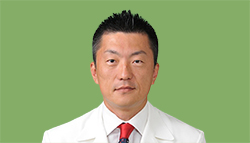 Chief of Oriental MedicineKiyoshi MINAMIZAWASubspeciality
Oriental MedicineChief of Oriental Medicine
Kiyoshi MINAMIZAWA
Subspeciality
Oriental MedicineDepartment name Oriental Medicine Medical School Tohoku University, School of Medicine Special Qualifications Board Certified Specialist and Advanced Certified Specialist of The Japan Society for Oriental Medicine
Board Certified Specialist and Advanced Certified Specialist of The Japanese Society of Internal Medicine
Board Certified Specialist of Japanese Association for Acute MedicineEducation & Career 1991.Mar. Graduated from Tohoku University, School of Medicine
1991.Apr. Residency in Japan Red Cross Musashino Hospital
1993.Apr. Oriental Medicine, Toyama Medical and Pharmaceutical University Hospital
1995.Apr. Internal Medicine, Suwa Chuo Hospital
1996.Apr. Internal Medicine, Narita Red Cross Hospital
1998.APr. Oriental Medicine, Toyama Medical and Pharmaceutical University Hospital
1999.Apr. Oriental Medicine, Iizuka Hospital
2001.Apr. Oriental Medicine, Toyama University Hospital
2006.Apr. Oriental Medicine, Tonami General Hospital
2009.Apr. Chief of Oriental Medicine, Kameda Medical Center -
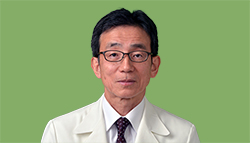 Chief PhysicianNobukazu HORIESubspeciality
General Oriental MedicineChief Physician
Nobukazu HORIE
Subspeciality
General Oriental MedicineDepartment name Oriental Medicine Medical School Iwate Medical University School of Medicine Special Qualifications Board-Certified Kampo (Japanese Herbal Medicine) Specialist, Japanese Society of Oriental Medicine Education & Career "March 1987 – Graduated from Iwate Medical University School of Medicine
April 1987 – Junior Resident, Pediatrics, Wakayama Medical University
Dec 1989 – Pediatric Physician, Hidaka General Hospital
April 1992 – Chief Pediatrician, Nachikatsuura Town Hospital Hot Springs Hospital
April 2003 – Physician, Department of Kampo Medicine, University of Toyama (formerly Toyama Medical and Pharmaceutical University)
April 2004 – Director, Pediatrics, Kinan General Hospital
April 2005 – Chief Physician, Kampo Medicine Department, Iizuka Hospital
April 2008 – Chief Physician, Wakan Medicine Department, Kobe Centennial Memorial Hospital
April 2019 – Joined Kameda Medical Center, Department of Oriental Medicine as Chief Physician"
- Orthopedics
- Sports Medicine Center
- Gastroenterological Surgery
- Plastic Surgery
- Neurosurgery
- Neuroendovascular Surgery
- Spine Surgery
- General Thoracic Surgery
- Cardiovascular
- Breast Center
- Obstetrics
- Gynecology
- Department of Reproductive Medicine (ART Center)
- Urology
- Urogynecology Center
- Dermatology
- Ophthalmology
- Head and Neck Surgery
- Otorhinolaryngology (ENT)
- Urology and Kidney Transplantation Center
- Lymphedema Surgery
- Surgical Oncology

