
Rehabilitation
What we do
We conduct comprehensive clinical evaluations to diagnose issues affecting daily activities and quality of life. Based on functional recovery predictions, our specialists establish tailored rehabilitation goals and prescribe personalized therapy programs, including prosthetics/orthotics fitting and Botulinum toxin (Botox) therapy for spasticity as needed.
Continuous, specialized care aligned with each stage of recovery is provided across three facilities: Kameda General Hospital, Kameda Rehabilitation Hospital, and Kameda Clinic.
Conditions we handle
- Cerebrovascular & Neurological Conditions: Stroke (Ischemic Stroke, Intracerebral Hemorrhage, Subarachnoid Hemorrhage), Traumatic Brain Injury (TBI)
- Neurodegenerative Diseases: Parkinson’s Disease, Multiple Sclerosis (MS), Spinocerebellar Ataxia
- Spinal Disorders: Spinal Cord Injury (SCI) and other spine-related pathologies
- Musculoskeletal Disorders: Upper and lower limb fractures, Rheumatoid Arthritis, and bone/joint diseases
- General Debility & Post-Surgical Weakness: Disuse syndrome resulting from severe pneumonia, major surgery, or prolonged bed rest
- Pediatric Conditions: Cerebral Palsy and other pediatric developmental/neurological disorders
- Oncological Rehabilitation: Cancer-related physical impairment and weakness
- Functional & Mobility Needs: Amputation requiring prosthetics/orthotics fitting and training
- Swallowing Disorders (Dysphagia): Assessment and rehabilitation for swallowing difficulties
- Spasticity Management: Muscle spasticity associated with stroke, brain injury, or spinal cord disorders
Inpatient Rehabilitation at Kameda Rehabilitation Hospital
Kameda Rehabilitation Hospital provides specialized Convalescent Rehabilitation (Recovery-Phase Care) in accordance with national health insurance standards. Admission criteria and maximum coverage stay limits are outlined below.
(Note: Depending on bed availability, non-standard cases may also be considered for admission)
Inpatient Admission Criteria & Maximum Length of Stay
| Medical Condition / Target Disease | Max Length of Stay |
| Post-stroke/surgery for Cerebrovascular Diseases, Spinal Cord Injury, Traumatic Brain Injury, Post-shunt Subarachnoid Hemorrhage, Brain Tumors, Encephalitis, Acute Encephalopathy, Myelitis, Multiple Polyneuritis, Multiple Sclerosis, or Brachial Plexus Injury | 150 Days |
| Severe Cerebrovascular Disorders with Higher Brain Dysfunction, Severe Cervical Cord Injury, or Multiple Trauma including Head Injury | 180 Days |
| Conditions requiring Prosthetic Limb Fitting & Gait Training | 150 Days |
| Post-onset or Post-operative states for Fractures of the Femur, Pelvis, Spine, Hip Joint, or Knee Joint, or Multiple Fractures involving 2+ limbs | 90 Days |
| Disuse Syndrome resulting from bed rest during treatment for surgical procedures, severe pneumonia, or acute illness | 90 Days |
| Post-injury states for Nerves, Muscles, or Ligaments of the Femur, Pelvis, Spine, Hip Joint, or Knee Joint | 60 Days |
| Post-operative recovery following Total Hip Arthroplasty (THA) or Total Knee Arthroplasty (TKA) | 90 Days |
Patients currently admitted at Kameda General Hospital: Please consult your attending physician or hospital rehabilitation staff directly.
External / Outpatient Transfers: Please contact a Medical Social Worker at Kameda Rehabilitation Hospital.
Operation results
(FY2022 Results)
List of Doctors
-
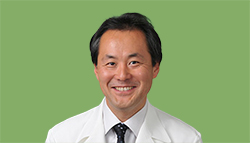 Chief Director, Department of Rehabilitation Medicine; Advisor, Kameda Rehabilitation HospitalKoichi MIYAKOSHISubspeciality
Cancer Rehabilitation, Geriatric Rehabilitation, Pediatric Rehabilitation, Botulinum Toxin Therapy, Clinical Nutrition, Patient Safety / Medical SafetyChief Director, Department of Rehabilitation Medicine; Advisor, Kameda Rehabilitation Hospital
Koichi MIYAKOSHI
Subspeciality
Cancer Rehabilitation, Geriatric Rehabilitation, Pediatric Rehabilitation, Botulinum Toxin Therapy, Clinical Nutrition, Patient Safety / Medical SafetyDepartment name Rehabilitation Medical School Okayama University Special Qualifications Board-Certified Clinical Physician, Japanese Association of Rehabilitation Medicine
Board-Certified Specialist, Japanese Association of Rehabilitation Medicine
Certified Supervising Physician, Japanese Association of Rehabilitation Medicine
Board-Certified Orthopedic Surgeon, Japanese Orthopaedic Association
Certified Spine and Spinal Cord Specialist, Japanese Orthopaedic Association
Board-Certified Physician, Japanese Society for Clinical Nutrition and Metabolism
Board-Certified Physician, Japanese Society of Hospital General Medicine
Certified Supervising Physician, Japanese Society of Nutrition TherapyEducation & Career March 1996: Graduated from Faculty of Medicine, Okayama University
May 1996: Clinical Resident, Okayama Rosai Hospital
May 1998: Unnan General Hospital
August 2001: National Iwakuni Hospital
September 2002: Akaiwa Medical Association Hospital
June 2003: Daini Okamoto General Hospital
August 2004: Hyogo Medical University
April 2005: Appointed Vice Director, Kameda Rehabilitation Hospital
April 2006: Appointed Director, Department of Rehabilitation Medicine
August 2024: Appointed Chief Director, Department of Rehabilitation Medicine, and Advisor, Rehabilitation Hospital -
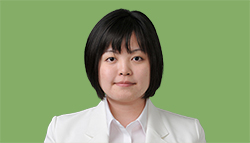 Chief Physician, Department of Rehabilitation MedicineRie OZAWASubspeciality
Rehabilitation MedicineChief Physician, Department of Rehabilitation Medicine
Rie OZAWA
Subspeciality
Rehabilitation MedicineDepartment name Rehabilitation Medical School Chiba University Special Qualifications Board-Certified Specialist in Rehabilitation Medicine, Japanese Association of Rehabilitation Medicine
Certified Supervising Physician, Japanese Association of Rehabilitation Medicine
Completed Clinical Training Supervisor Workshop
Completed Palliative Care Training Program for Physicians Involved in Cancer Care (Chiba Prefecture)
Completed Ministry of Health, Labour and Welfare Designated Online Medical Consultation TrainingEducation & Career March 2016: Graduated from Faculty of Medicine, Chiba University
April 2016: Initial Clinical Resident, Postgraduate Clinical Training Center, this hospital
April 2018: Resident (Specialty Trainee), Department of Rehabilitation Medicine
April 2021: Staff Physician, Department of Rehabilitation Medicine
April 2023: Chief Physician, Department of Rehabilitation Medicine -
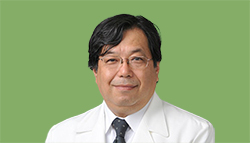 Chief of Spinal SurgeryMasahito YUZURIHARASubspeciality
Numbness in a limb, Difficulty with ambulation, Disease of the spinal cord, Surgery of the spine and the spinal cordChief of Spinal Surgery
Masahito YUZURIHARA
Subspeciality
Numbness in a limb, Difficulty with ambulation, Disease of the spinal cord, Surgery of the spine and the spinal cordDepartment name Rehabilitation Medical School Tokyo Medical and Dental University Special Qualifications Board Certified Specialist of Japan Neurosurgical Society
Board Certified Physician of Japan Society of Spinal SurgeryEducation & Career 1983.Mar. Graduated from Tokyo Medical and Dental University
1983.May. Asahi General Hospital
1985.Apr. Funabashi Municipal Medical Center
1986.Apr. Asahi General Hospital
2006.Jan. Funabashi Municipal Medical Center
2006.Jun. Vice Chief of Neurosurgery, Kameda Medical Center
2007.Apr. Vice Chief of Spinal Surgery, Kameda Medical Center
2008.Apr. Chief of Spinal Surgery, Kameda Medical Center -
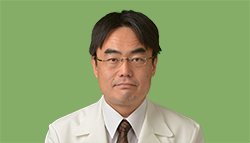 Masanori YAMAMOTO
Masanori YAMAMOTO
Department name Rehabilitation Medical School Yamagata University Special Qualifications Board-Certified Specialist, Japanese Association of Rehabilitation Medicine
Board-Certified Otolaryngologist
Board-Certified Clinical Physician, Japanese Association of Rehabilitation MedicineEducation & Career March 1999: Graduated from Faculty of Medicine, Yamagata University
April 1999: Shonan Kamakura General Hospital
April 2001: Jichi Medical University Omiya Medical Center
May 2007: Appointed Physician, Department of Rehabilitation Medicine, this hospital
May 2012: Appointed Chief Physician, Department of Rehabilitation Medicine
October 2017: Left this hospital
December 2017: Part-time Physician, Kameda Clinic
January 2021: Reappointed Physician, Department of Rehabilitation Medicine, this hospital -
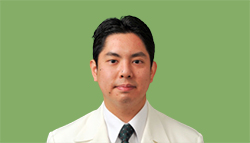 Tadahiro OGAWASubspeciality
General Rehabilitation MedicineTadahiro OGAWA
Subspeciality
General Rehabilitation MedicineDepartment name Rehabilitation Medical School Keio University Special Qualifications Board-Certified Clinical Physician, Japanese Association of Rehabilitation Medicine
AHA ACLS Provider
AHA BLS Provider
Completed Botulinum Toxin Training and Practical Seminar
Completed MHLW Training for Physicians on Prosthetic and Orthotic Assessment
Completed Recovery Rehabilitation Ward Physician Training
Completed Chiba Prefecture Cancer Rehabilitation Training Program
Completed Swallowing Function Evaluation Training, Japanese Society of PEG and Home Medical Care
Completed the 19th Dysphagia Practical Training Course, Japanese Association of Rehabilitation Medicine
Completed Introductory Course in Clinical Electromyography and Electrodiagnosis, Japanese Association of Rehabilitation MedicineEducation & Career March 2007: Graduated from Faculty of Medicine, Keio University
April 2007: Initial Clinical Residency, Keio University Hospital
April 2008: Initial Clinical Residency, Tachikawa Hospital (Federation of National Public Service Personnel Mutual Aid Associations)
April 2009: Visiting Researcher, Nihon University Population Research Institute
April 2014: Short-term Training, Department of Pediatrics, National Center for Global Health and Medicine
October 2014: Short-term Training, Department of Pediatrics, Shin-Yurigaoka General Hospital
April 2015: Department of Pediatrics, Keio University Hospital
April 2017: Department of Pediatrics, Shin-Yurigaoka General Hospital
December 2017: Appointed Senior Resident, Department of Rehabilitation Medicine, this hospital
April 2021: Staff Physician, Kameda Rehabilitation Hospital
April 2023: Staff Physician, Department of Rehabilitation Medicine, Kameda General Hospital -
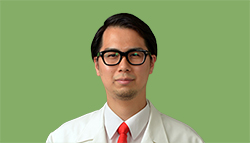 Staff PhysicianKenji KASAISubspeciality
Rehabilitation MedicineStaff Physician
Kenji KASAI
Subspeciality
Rehabilitation MedicineDepartment name Rehabilitation Medical School Teikyo University Special Qualifications Board-Certified Specialist in Rehabilitation Medicine, Japan Medical Specialty Board
Completed Nutrition Management Seminar for Physicians, Dentists, and Medical Staff
Completed Swallowing Function Evaluation Training
Completed Training for Primary Care Physicians on Dementia Care Skills
Completed Training in Cognitive Therapy and Cognitive Behavioral Therapy for Depression
Completed Medical Safety Manager Training
Completed Geriatric Medicine Training
Completed Rehabilitation Physician Training in Acute Care Wards
Incentive Award, Japan College of Rheumatology
Completed Dementia Support Physician Training
Completed Renal Rehabilitation Guideline Training CourseEducation & Career March 2020: Graduated from Faculty of Medicine, Teikyo University
April 2020: Tokyo Bay Urayasu Ichikawa Medical Center
April 2022: Resident (Specialty Trainee), Department of Rehabilitation Medicine, this hospital
April 2025: Staff Physician, Department of Rehabilitation Medicine -
 Staff PhysicianJunya YAMADA
Staff Physician
Junya YAMADA
Department name Rehabilitation Medical School Saitama Medical University Special Qualifications ACLS Provider
Completed ICLS Course
Completed JMECC Course (Japanese Medical Emergency Care Course)
Completed Basic Palliative Care Training CourseEducation & Career March 2020: Graduated from Faculty of Medicine, Saitama Medical University
April 2020: JA Nagano Koseiren Saku Central Hospital Group
April 2022: Appointed Resident (Specialty Trainee) in General Internal Medicine, this hospital
April 2025: Staff Physician, Department of Rehabilitation Medicine -
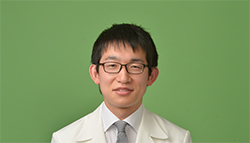 Resident (Specialty Trainee, External Training)Yusuke KUROKISubspeciality
Rehabilitation MedicineResident (Specialty Trainee, External Training)
Yusuke KUROKI
Subspeciality
Rehabilitation MedicineDepartment name Rehabilitation Medical School The University of Tokyo Education & Career March 2023: Graduated from Faculty of Medicine, The University of Tokyo
April 2023: Takeda General Hospital
April 2025: Department of Rehabilitation Medicine, this hospital -
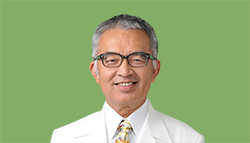 President of Kameda Rehabilitation HospitalShigeo IAISubspeciality
RehabilitationPresident of Kameda Rehabilitation Hospital
Shigeo IAI
Subspeciality
RehabilitationDepartment name Rehabilitation Medical School University of Tokyo, School of Medicine Special Qualifications Board Certified Physician of The Japanese Association of Rehabilitation Medicine Education & Career ・1979: Graduated from University of Tokyo, School of Medicine
・1983: Neurosurgery, Kameda Medical Center
・2000: Rehabilitation, Tateyama Hospital
・2004: Chief of Rehabilitation, Kameda Medical Center
・2004 June: President of Kameda Rehabilitation Hospital
- Orthopedics
- Sports Medicine Center
- Gastroenterological Surgery
- Plastic Surgery
- Neurosurgery
- Neuroendovascular Surgery
- Spine Surgery
- General Thoracic Surgery
- Cardiovascular
- Breast Center
- Obstetrics
- Gynecology
- Department of Reproductive Medicine (ART Center)
- Urology
- Urogynecology Center
- Dermatology
- Ophthalmology
- Head and Neck Surgery
- Otorhinolaryngology (ENT)
- Urology and Kidney Transplantation Center
- Lymphedema Surgery
- Surgical Oncology

