
Emergency
What we do
In addition to our emergency room, we operate a dedicated Emergency & Critical Care Ward. Here, our specialists deliver continuous inpatient care for severe trauma, acute poisonings, severe burns, environmental injuries (drowning, asphyxiation, heatstroke, accidental hypothermia), as well as complex medical emergencies like severe acute pancreatitis, pulmonary embolism, severe sepsis, and septic shock.
Key Areas of Excellence
1) Emergency Medicine
Comprehensive triage, stabilization, and immediate surgical/medical intervention for all incoming emergency patients
2)Intensive & Critical Care
Multi system management for patients with acute respiratory failure, circulatory collapse, or severe sepsis. Once stabilized, patient care is transitioned to specialized general wards in close collaboration with relevant subspecialties
3) Disaster Medical Care
Disaster Medicine & DMAT: As a designated disaster hospital, our center maintains 2 fully certified Disaster Medical Assistance Teams (DMAT) with 10 credentialed specialists trained for rapid deployment during major national or regional disasters.
Conditions we handle
Blunt Trauma: High-energy injuries from traffic accidents and falls (including clavicle/sternal fractures, myocardial contusions, intestinal/ mesenteric tears causing hemorrhagic shock).
Abdominal Organ Injuries: Liver, spleen, and kidney injuries ($\approx 80\%$ managed conservatively via advanced non-operative protocols).
2) Severe Burns
Major burn injuries requiring sequential surgical interventions (total body surface area $\ge 20\%$).
Inhalation injuries and carbon monoxide (CO) poisoning requiring mechanical ventilation and advanced airway management.
3) Toxicological Emergencies & Poisonings
Overdoses and toxic ingestions involving psychotropic medications, sedatives, analgesics (aspirin, acetaminophen), organophosphates, paraquat, cyanides, or corrosive acids/alkalis.
4) Environmental & External Emergencies
Near-drowning, severe heatstroke (heat exhaustion, heat cramps, heat syncope), accidental hypothermia, envenomation (pit viper/Mamushi bites, anaphylaxis from bee stings), hanging/ strangulation, and asphyxiation.
5) Acute Medical Emergencies
Severe sepsis and septic shock, severe acute pancreatitis, deep vein thrombosis (DVT), pulmonary embolism, and aspiration pneumonia.
6) Severe Soft-Tissue & Invasive Infections
Tetanus, severe cellulitis, necrotizing fasciitis, and gas gangrene.
Number of cases
Total Inpatient Emergency Admissions: 3,615 patient days (or admissions)
(FY2024 Results)
Operation results
List of Doctors
-
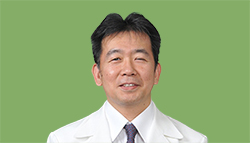 Chief of Emergency and Trauma Center Chief of Emergency and Trauma Dept.Junmei FUDOJISubspeciality
Acute Medicine, General Surgery,Chief of Emergency and Trauma Center Chief of Emergency and Trauma Dept.
Junmei FUDOJI
Subspeciality
Acute Medicine, General Surgery,Department name Emergency Medical School Miyazaki Medical University Special Qualifications Board Certified Physician, Certified Specialist and Advanced Certified Specialist of Japanese Association for Acute Medicine
Board Certified Physician of Japan Surgical SocietyEducation & Career 1991.Mar. Graduated from Miyazaki Medical University
1991.Jun. Residency in Chigasaki Tokushukai General Hospital
1992.Jun. General Surgery, Chigasaki Tokushukai General Hospital
1994.Jun. Resident of General Surgery, Shonan Kamakura General Hospital
1995.Jun. Chief Resident of General Surgery, Chigasaki Tokushukai General Hospital
1996.Jun. General Surgery, Shonai Amarume Hospital
1997.Jun. General Surgery, Chigasaki Tokushukai General Hospital
2002.Sep. Emergency and Trauma Department, Kameda Medical Center
2003.Dec. Chief of Emergency and Trauma Department, Kameda Medical Center
2008.May. Awa Regional Medical Center
2015.Nov. Chief of Emergency and Trauma Center, Chief of Emergency Trauma Dept. Kameda Medical Center -
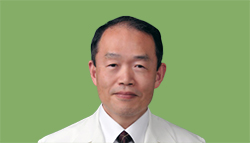 Chief of Emergency and Trauma Department and Chief of Hyperbaric Oxygen Therapy CenterShinya SUZUKI
Chief of Emergency and Trauma Department and Chief of Hyperbaric Oxygen Therapy Center
Shinya SUZUKI
Department name Emergency Medical School National Defense Medical College, Division of Medicine Special Qualifications Clinical Training Guidance Physician
Clinical Training Program Manager
Board Certified Industrial Physician of Medical Association
Board Certified Advanced Specialist of The Japanese Respiratory Society
Board Certified Specialist of The Japanese Society of Hyperbaric and Undersea Medicine
Board Certified Specialist of The Japan Society for Respiratory Endoscopy
Board Cerfified Physician of The Japanese Society of Internal MedicineEducation & Career 1984 Mar. Graduated from National Defense Medical College, Division of Medicine
1984 Apr. Residency in National Defense Medical College, Division of Medicine
1985 Nov. Residency in Self-Defense Forces Central Hospital
1986 Jun. Japan Maritime Self-Defense Forces Hospital Yokosuka
1989 Aug. Residency in National Defense Medical College, Division of Medicine
1991 Aug. Japan Maritime Self-Defense Forces Underwater Medical Center
2000 Mar. Health Planning Div,Maritime Staff Office, Agency of Defense
2001 Jul. Visiting Professor of Bergen University
2003 Aug Vice President of Self-Defense Forces Maizuru Hospital
2004 Mar. Presiden of Self-Defense Forces Maizuru Hospital
2005 Apr. Professor of Div. of Environmental Medicine, National Defense Medical Institute
2010 Dec. Pulmonology, Self-Defense Forces Central Hospital
2011 Mar. Chief of Institute and Clinical Training Medicine of Self-Defense Forces Central Hospital
2015 Apr. Chief of Emergency and Trauma Department and Chief of Hyperbaric Oxygen Therapy Center, Kameda Medical Center -
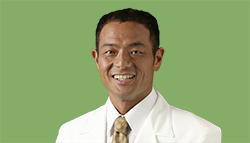 Chief of EmergencyMasaki OHASHISubspeciality
Emergency care of Internal MedicineChief of Emergency
Masaki OHASHI
Subspeciality
Emergency care of Internal MedicineDepartment name Emergency Medical School Osaka City University, School of Medicine Special Qualifications Board Certified Specialist of Japanese Association for Acute Medicine
Board Certified Sports Doctor of Japan Sports AssociationEducation & Career 1996.Mar. Graduated from Osaka City University, School of Medicine
1997.Nov. Residency in Kameda Medical Center
2001.Jul. Emergency and Trauma Department, Kameda Medical Center
2005.Nov. Assistant Chief of Emergency and Trauma Department, Kameda Medical Center
2009.Apr. Vice Chief of Emergency and Trauma Department, Kameda Medical Center
2012.Apr. Chief of Emergency and Trauma Department, Kameda Medical Center
2014.Apr. Chief of Emergency and Trauma Department, Vice Chief of Emergency and Trauma Center, Kameda Medical Center -
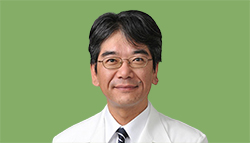 Chief of EmergencyKensuke ITOSubspeciality
Diagnositic ImagingChief of Emergency
Kensuke ITO
Subspeciality
Diagnositic ImagingDepartment name Emergency Medical School Jichi Medical University Special Qualifications Board Certified Specialist of Japan Radiological Society
Board Certified Specialist of Registerd Doctor, the Japanese Society of Nuclear MedicineEducation & Career 1993.Mar. Graduated from Jichi Medical University
1993.Apr. Kokuho Matsudo City Hospital
1995.May. Kamogawa City Kokuho Hospital
1998.May. Niigata Tokamachi Hospital
1999.Apr. Niigata Matsushiro Hospital
2002.Apr. Tateyama Hospital
2003.Apr. Kokuho Kyonan Hospital
2003.Jul. Radiology, Kameda Medical Center
2009.May. Vice Chief of Radiology, Kameda Medical Center
2010.Jul. Vice Chief of Emergency and Trauma Department, Kameda Medical Center
2012.Apr. Chief of Emergency and Trauma Department, Kameda Medical Center -
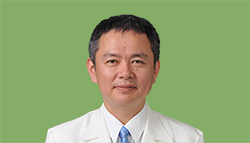 Chief of Emergency and Trauma DepartmentAtsushi SHIRAISHISubspeciality
Neurological Emergencies(Apolexy), Traumatic Epidemiology Research, Diagnosis Brain ImagingChief of Emergency and Trauma Department
Atsushi SHIRAISHI
Subspeciality
Neurological Emergencies(Apolexy), Traumatic Epidemiology Research, Diagnosis Brain ImagingDepartment name Emergency Medical School Tokyo Medical and Dental University Faculty of Medicine Education & Career 1994 Mar. Graduated from Tokyo Medical and Dental University Faculty of Medicine
1994 Apr. Residency in Tokyo Medical and Dental University Faculty of Medicine Hospital
1995 Apr. Residency in Cardiology of Tokyo Metropolitan Hiroo Hospital
1995 Oct. Residency in Neurology of Nagano Prefectural Rihabilitation Center Kakeyu Hospital
1996 Apr. Neurology, Toride Medical Center
1998 Apr. Neurology, Japanese Red Cross Musashino Hospital
1999 Apr. Neurology, Tokyo Medical and Dental University Faculty of Medicine Hospital
2000 Mar. Graduate School of Medicine and Denatal Siences, Tokyo Medical and Dental University
2004 Apr. Assistant Chief of Neurology, Toride Medical Center
2005 Apr. Research Assistant of Neurology, Tokyo Medical and Dental University Faculty of Medicine Hospital
2006 Mar. Emergency and Trauma Center, Tokyo Medical and Dental University Faculty of Medicine Hospital
2016 Apr. Chief of Emergency and Trauma Department, Kameda Medical Center -
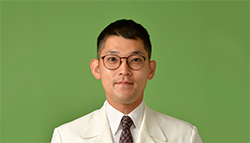 Chief PhysicianNaoki OKASubspeciality
Trauma
Acute Care Surgery
Rehabilitation Medicine
Regional RevitalizationChief Physician
Naoki OKA
Subspeciality
Trauma
Acute Care Surgery
Rehabilitation Medicine
Regional RevitalizationDepartment name Emergency Medical School Kanazawa University Special Qualifications Board-Certified Surgeon, Japan Surgical Society Education & Career March 2014: Graduated from Kanazawa University School of Medicine
April 2014: Initial Residency, Postgraduate Training Center, Kameda Medical Center
April 2016: Surgical Residency, Gastrointestinal Surgery
October 2019: Emergency Medicine, Kurashiki Central Hospital
January 2023: Joined Emergency and Critical Care Medicine, this hospital
June 2023: Trauma Surgery, Khon Kaen Hospital -
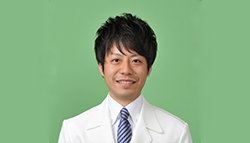 Part-Time PhysicianNobuaki KUSAKASubspeciality
Emergency Medicine (ER), General Medicine, Home Healthcare, Community DevelopmentPart-Time Physician
Nobuaki KUSAKA
Subspeciality
Emergency Medicine (ER), General Medicine, Home Healthcare, Community DevelopmentDepartment name Emergency Medical School Saitama Medical University Special Qualifications Board-Certified Emergency Physician, Japanese Association for Acute Medicine
Board-Certified Home Healthcare Specialist, Japan Home Care Alliance
Japan DMAT (Disaster Medical Assistance Team) Member
Basic Life Support (BLS) Provider
Advanced Cardiovascular Life Support (ACLS) ProviderEducation & Career March 2014 – Graduated from Saitama Medical University
April 2014 – Joined Kameda Medical Center as a Junior Resident in the Postgraduate Clinical Training Center
April 2016 – Senior Resident, Emergency & Critical Care Medicine Department; Seconded to Awa Regional Medical Center
July 2017 – Returned from Awa Regional Medical Center
April 2019 – Staff Physician, Emergency & Critical Care Medicine Department
April 2021 – Rotational Assignment, Home Care Medicine Department
April 2022 – Appointed Vice Director, Shima Municipal Hospital (National Health Insurance System)
April 2022 – Part-Time Physician, Emergency & Critical Care Medicine Department and Home Care Medicine Department, Kameda Medical Center
April 2024 – Part-Time Physician, Emergency & Critical Care Medicine Department, Home Care Medicine Department, and Internal Medicine Department, Hamaogi Clinic
- Orthopedics
- Sports Medicine Center
- Gastroenterological Surgery
- Plastic Surgery
- Neurosurgery
- Neuroendovascular Surgery
- Spine Surgery
- General Thoracic Surgery
- Cardiovascular
- Breast Center
- Obstetrics
- Gynecology
- Department of Reproductive Medicine (ART Center)
- Urology
- Urogynecology Center
- Dermatology
- Ophthalmology
- Head and Neck Surgery
- Otorhinolaryngology (ENT)
- Urology and Kidney Transplantation Center
- Lymphedema Surgery
- Surgical Oncology

