
Diabetes and Endocrinology
What we do
Our department actively conducts specialized diagnostic and therapeutic procedures, including:
- Isotope Treatment (Radioactive Iodine Therapy) for Graves' Disease
- Endocrine Dynamic Function Tests (Load Tests) for Pituitary and Adrenal Diseases
- Adrenal Vein Sampling (AVS) for Primary Aldosteronism
For details, please refer to the section on Target Conditions.
Conditions we handle
Adrenal Disorders: Hypercortisolism (Cushing's Syndrome), Pheochromocytoma, Primary Aldosteronism, Adrenal Insufficiency, Adrenal Incidentaloma.
Pituitary & Parathyroid Disorders: Acromegaly, Prolactinoma (Prolactin-Secreting Pituitary Adenoma), Hyperparathyroidism, and related conditions.
Medical Information & Patient Guidance
Major Conditions Include:
- Insulin-Related Disorders: Diabetes Mellitus, etc.
- Thyroid Hormone-Related Disorders: Graves' Disease, Subacute Thyroiditis, Hypothyroidism, etc.
- Adrenal Hormone-Related Disorders: Hypercortisolism (Cushing's Syndrome), Pheochromocytoma, Primary Aldosteronism, Adrenal Insufficiency, Adrenal Incidentaloma, etc.
- Pituitary Hormone-Related Disorders: Acromegaly, Prolactinoma, etc.
- Parathyroid Hormone-Related Disorders: Hyperparathyroidism, etc.
What Kind of Disease is Graves' Disease?
Even when resting, the body feels as though it is in a "full-sprint state."
Common Symptoms of the "Full-Sprint State" Include:
- Rapid pulse and heart palpitations
- Shortness of breath and excessive sweating
- Weight loss despite a strong appetite
- Irritability and hand/foot tremors
- Tendency toward diarrhea/loose stools
We take a detailed clinical history, perform a physical examination, and select the necessary diagnostic tests. Diagnostic tools include blood tests, thyroid ultrasonography, and thyroid scintigraphy.
In particular, thyroid scintigraphy is a specialized diagnostic imaging modality available only at select medical facilities, including our hospital. It serves as the single most critical exam for confirming the exact cause of elevated thyroid hormones.
1.Pharmacotherapy: Using antithyroid medications to suppress thyroid hormone production.
2.Definitive Therapy: Reducing thyroid tissue volume through surgery or radioactive isotope therapy.
Treatment choice depends on individual clinical status and is finalized through shared decision-making.
Note: Patients who have been on medication for at least two years, or those planning a future pregnancy, are strongly recommended to consider non-pharmacological treatment options.
What is Isotope Treatment? (Radioactive Iodine Therapy)
Although "radioactive" may sound intimidating, the procedure simply involves swallowing a single small capsule on an outpatient basis. No external radiation beam is applied to your body.
Once swallowed, the capsule is absorbed through the intestines and concentrates specifically in the thyroid gland, reducing its size and resolving Graves' disease. It does not cause hair loss, cancer, or leukemia, nor does it affect future offspring. The physical burden is low, making it suitable even for patients with severe heart or lung conditions. In the United States, it is widely utilized as a standard, safe first-line treatment.
For clear explanations, refer to the Japan Thyroid Association Guide or visit harecoco.net for detailed medical explanations.
What Kind of Disease is Subacute Thyroiditis?
Characteristic Manifestations Include:
- Severe tenderness when pressing the front lower surface of the neck (thyroid area)
- Pain shifting from the right side to the left side (or vice versa)
- Persistent fever
What Kind of Disease is Hypercortisolism (Cushing's Syndrome)?
Excessive Steroid Hormone Levels May Lead To:
- Rounded "moon face" and facial flushing
- Fragile skin and unexplained bruising / subcutaneous hemorrhage
- Refractory diabetes mellitus that is difficult to control
- Vertebral compression fractures
- Rapid weight gain without increased food intake
What Kind of Disease is Acromegaly?
Excessive Growth Hormone May Cause:
- Thickening of skin on hands and feet; enlargement of the nose and jaw (These changes progress very slowly over years, making them hard for family members to notice)
- Profuse sweating and persistent, severe headaches
- Hand numbness / tingling (Carpal Tunnel Syndrome caused by thickened tissue compressing nerves)
- Loud snoring and sleep apnea (due to airway narrowing)
- Development of diabetes mellitus and hypertension
When diagnosed, surgical removal of the growth-hormone-secreting tumor can reverse physical changes and resolve diabetes, hypertension, carpal tunnel syndrome, and sleep apnea.
Successful treatment of acromegaly is estimated to extend life expectancy by approximately 10 years.
What Kind of Disease is Prolactinoma?
Excessive Prolactin Levels May Lead To:
- Galactorrhea (breast milk secretion unrelated to pregnancy)
- Amenorrhea (cessation of menstrual periods)
- Male infertility
What Kind of Disease is Hyperparathyroidism?
It is frequently detected incidentally as high blood calcium levels during routine blood tests, often without noticeable symptoms. However, it can cause urinary tract stones (kidney stones), osteoporosis, and renal impairment.
As hypercalcemia can also result from medications (such as vitamin D supplements), consult your physician first. If hyperparathyroidism is identified as the underlying cause of kidney stones or osteoporosis, surgical removal of the overactive parathyroid tissue can resolve the condition.
Number of cases
Total Inpatient Patient Days / Admissions: 403 patient days (or admissions)
(FY2024 Track Record)
The majority of outpatients are for diabetic and hyperlipidemia and thyroid diseases in our departemtn. Most of the inpatients have diabetes, who are engaged in diabetes education, blood glucose control, evaluation and treatment of diabetic complications, and many referrals from neighboring medical institutions.
In addition, the following medical treatments are also provided.
1) Support fro diabetic patient
One session is 30 minites which conducted by a nurse for patients with lifestyle-related diseases, if there is a request by a doctor. The nurse in charge uses behavioral medical techniques to support the patient's self-care behavior and provide mental care regarding medical treatment.
2) Diabetes support class
An "Open Diabetes Seminar" is held every two months for outpatients. In addition, for inpatients, doctors, nurses, other profession will educate through video almost every day in the ward.
Operation results
List of Doctors
-
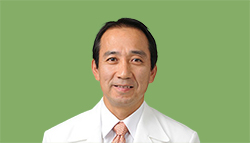 DirectorMasahiro MASUZAWASubspeciality
General Internal Medicine / Endocrine Disorders
Conditions for Referral
Pituitary disorders / Adrenal disorders / Thyroid disordersDirector
Masahiro MASUZAWA
Subspeciality
General Internal Medicine / Endocrine Disorders
Conditions for Referral
Pituitary disorders / Adrenal disorders / Thyroid disordersDepartment name Diabetes and Endocrinology Medical School Hamamatsu University School of Medicine Special Qualifications Board Certified and Certified Specialist of Japanese Society of Internal Medicine.
Board Certified Specialist of The Japan Endocrine Society
Board Advanced Certified Specialist of Japan Diabetes Society.
Board Certified Specialist of The Japanese Society for Dialysis TherapyEducation & Career 1992.Mar. Graduated from Hamamatsu University School of Medicine
1992.Jun. Resident of Hamamatsu University Hospital
1993.Apr. Resident of Haibara Hospital
1994.Apr. Internal Medicine, Haibara Hospital
1999.Jun. Assistant Chief of Internal Medicine, Kameda Medical Center
2003.Jan. Assistant Chief of Internal Medicine and Connective Tissue Disorders, Kameda Medical Center
1998: Endocrinology, Kameda Medical Center
2009.Jan. Vice Chief of Endocrinology
2011.Apr. Chief of Endocrinology -
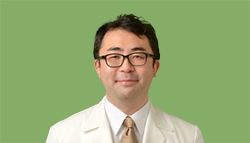 DirectorMasaki MIURASubspeciality
Obesity Medicine / Diabetes Mellitus
Conditions for Referral
Obesity / Diabetes MellitusDirector
Masaki MIURA
Subspeciality
Obesity Medicine / Diabetes Mellitus
Conditions for Referral
Obesity / Diabetes MellitusDepartment name Diabetes and Endocrinology Medical School Juntendo University Special Qualifications Diabetes Specialist & Instructor (Japan Diabetes Society)
Completed Ministry of Health, Labour and Welfare Clinical Training Instructor Course
Completed Palliative Care Training Program for Physicians Involved in Cancer CareEducation & Career 2007 – Graduated from Juntendo University School of Medicine
2007 – Oji Co-op Hospital
2009 – Department of Diabetology, Tachikawa Sougo Hospital
2012 – Department of Diabetes & Endocrinology, Juntendo University
2013 – Entered Graduate School, Juntendo University
2017 – Graduated from Graduate School, Juntendo University
2017 – Assistant, Department of Diabetes & Endocrinology, Juntendo University
2018 – Assistant Professor, Department of Diabetes & Endocrinology, Juntendo University
2018 – Assistant Professor, Juntendo University Shizuoka Hospital
Apr 2020 – Deputy Director, Department of Diabetes & Endocrinology, Kameda Medical Center
Apr 2020 – Part-time Assistant Professor, Department of Diabetes & Endocrinology, Juntendo University
Apr 2021 – Director, Department of Diabetes & Endocrinology -
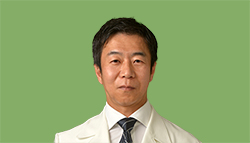 Deputy DirectorNobuhiro NAKATAKESubspeciality
Endocrine DisordersDeputy Director
Nobuhiro NAKATAKE
Subspeciality
Endocrine DisordersDepartment name Diabetes and Endocrinology Medical School University of the Ryukyus School of Medicine Special Qualifications Endocrinology Specialist, Instructor & Councilor (Japan Endocrine Society)
Thyroid Specialist (Japan Thyroid Association)
General Internal Medicine Specialist (Japan)Education & Career 1999 – Graduated from University of the Ryukyus School of Medicine
1999 – Intern & Internal Medicine Resident, Okinawa Chubu Hospital
2001 – Staff Physician, Division of Endocrinology (Second Department of Internal Medicine), University of the Ryukyus
2003 – Clinical Scientist, RSR Limited, United Kingdom
2003 – Research Fellow, Cardiff University School of Medicine, United Kingdom
2004 – Clinical Attachment, Endocrinology & General Internal Medicine, Caerphilly District Miners' Hospital, United Kingdom
2007 – Staff Physician, Noguchi Thyroid Hospital, Beppu
2010 – Vice Director, Tajiri Thyroid Clinic, Kumamoto
2013 – Director, Department of General Medicine, Saiseikai Fukuoka General Hospital
2017 – Director, Department of Endocrinology, Fukuoka Tokushukai Hospital
May 2021 – Appointed Deputy Director, Department of Diabetes & Endocrinology, Kameda Medical Center -
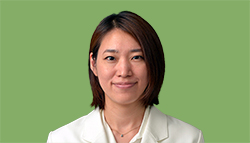 Chief PhysicianAsako TSUNEMISubspeciality
Diabetes Mellitus, Endocrine Disorders, Type 1 Diabetes, Continuous Glucose Monitoring (CGM) & Insulin Pump Therapy, Patient Support ProgramsChief Physician
Asako TSUNEMI
Subspeciality
Diabetes Mellitus, Endocrine Disorders, Type 1 Diabetes, Continuous Glucose Monitoring (CGM) & Insulin Pump Therapy, Patient Support ProgramsDepartment name Diabetes and Endocrinology Medical School Juntendo University School of Medicine Special Qualifications Certified Internist (Japan)
Diabetes Specialist (Japan Diabetes Society)
Endocrinology Specialist (Japan Endocrine Society)
Training Supervisor, Endocrinology, Metabolism & Diabetology
Completed Palliative Care Training Program
CTI Certified Professional Co-Active Coach (USA)Education & Career Mar 2010 – Graduated from Juntendo University School of Medicine
Apr 2010 – Junior Residency, Juntendo University Shizuoka Hospital
Apr 2012 – Clinical Fellow, Department of Metabolism & Endocrinology, Juntendo University
Jul 2014 – Assistant, Department of Diabetes & Endocrinology, Juntendo University Urayasu Hospital
Jan 2017 – Assistant, Department of Metabolism & Endocrinology, Juntendo University
Apr 2018 – Graduate School of Medicine, Department of Metabolism & Endocrinology, Juntendo University
Apr 2022 – Part-time Assistant Professor, Department of Metabolism & Endocrinology, Juntendo University
Jul 2022 – Appointed Chief Physician, Department of Diabetes & Endocrinology, Kameda Medical Center -
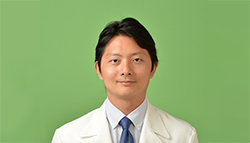 Vice Chairman, Tetsusho-kai Medical Corporation; Hospital Director, Kameda Medical Center; Chief Executive, Medical Management Division; Director, Cancer Center Promotion Center; Concurrently serving in Diabetes & EndocrinologyToshiaki KAMEDA
Vice Chairman, Tetsusho-kai Medical Corporation; Hospital Director, Kameda Medical Center; Chief Executive, Medical Management Division; Director, Cancer Center Promotion Center; Concurrently serving in Diabetes & Endocrinology
Toshiaki KAMEDA
Department name Diabetes and Endocrinology Medical School Kawasaki Medical School Special Qualifications Certified Internist (Japan)
Completed Ministry of Health, Labour and Welfare Clinical Training Instructor Course
Completed Ministry of Health, Labour and Welfare Online Medical Care Training ProgramEducation & Career Apr 2008 – Graduated from Kawasaki Medical School
Apr 2008 – Resident, Tokyo Medical and Dental University (currently Institute of Science Tokyo)
Apr 2009 – Resident, JA Toride Medical Center
Apr 2010 – Joined the Department of Metabolism & Endocrinology, Juntendo University Hospital
Jan 2013 – Shioda Memorial Hospital
Apr 2013 – Department of Internal Medicine, Ito Hospital
Apr 2015 – Department of Diabetes & Endocrinology, Kameda Medical Center
Feb 2016 – International Administration Fellow, Beaumont Hospital Royal Oak
Jan 2017 – International Administration Student, Khoo Teck Puat Hospital
Apr 2017 – Department of Diabetes & Endocrinology, Kameda Medical Center
Jul 2018 – Vice Director, Kameda Medical Center; Deputy Chief Executive, Medical Management Division; Concurre -
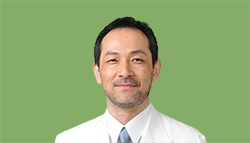 Chief of EndocrinologyOsamu OGAWASubspeciality
Diabetes, ObesityChief of Endocrinology
Osamu OGAWA
Subspeciality
Diabetes, ObesityDepartment name Diabetes and Endocrinology Medical School Juntendo University Faculty of Medicine Special Qualifications Board Certified Physician of The Japanese Society of Internal Medicine
Board Certified Specialist and Advanced Certified Specialist of The Japan Diabetes Society
Board Certified Specialist of Japanese Society of Anti-Aging Medicine
Board Certified Physician of Japan Medical AssociationEducation & Career 1994.Mar. Graduated from Juntendo University
1994.Jun. Resident of Ohta Nishinouchi Hospital
1996.Apr. Fukushima Medical University Hospital
1997.Apr. Onomachi Hospital
1998.Apr. Juntendo University Faculty of Medicine
1998.Sep. Takayanagi Hospital
2006.Oct. Midorigaoka Ekimae Clinic
2010.Sep. Endocrinology, Kameda Medical Center
2010.Oct. Vice Chief of Endocrinology, Kameda Medical Center
2011.Apr. Chief of Endocrinology, Kameda Medical Center -
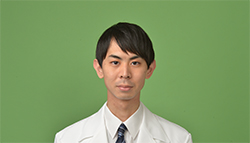 Internal Medicine ResidentYusuke MINAKATASubspeciality
Diabetes Mellitus / EndocrinologyInternal Medicine Resident
Yusuke MINAKATA
Subspeciality
Diabetes Mellitus / EndocrinologyDepartment name Diabetes and Endocrinology Medical School Juntendo University School of Medicine Education & Career Mar 2022 – Graduated from Juntendo University School of Medicine
Apr 2022 – Kameda Medical Center
Apr 2024 – Juntendo University Urayasu Hospital
Apr 2025 – Department of Diabetes & Endocrinology, Kameda Medical Center -
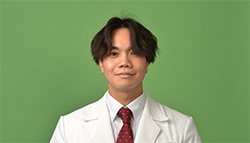 Resident PhysicianOsamu ARAI
Resident Physician
Osamu ARAI
Department name Diabetes and Endocrinology Medical School Niigata University Education & Career March 2024: Graduated from Niigata University School of Medicine
April 2024: Asahi General Hospital
April 2026: Joined Kameda Medical Center as a Resident Physician in the Department of Respiratory Medicine
- Orthopedics
- Sports Medicine Center
- Gastroenterological Surgery
- Plastic Surgery
- Neurosurgery
- Neuroendovascular Surgery
- Spine Surgery
- General Thoracic Surgery
- Cardiovascular
- Breast Center
- Obstetrics
- Gynecology
- Department of Reproductive Medicine (ART Center)
- Urology
- Urogynecology Center
- Dermatology
- Ophthalmology
- Head and Neck Surgery
- Otorhinolaryngology (ENT)
- Urology and Kidney Transplantation Center
- Lymphedema Surgery
- Surgical Oncology

